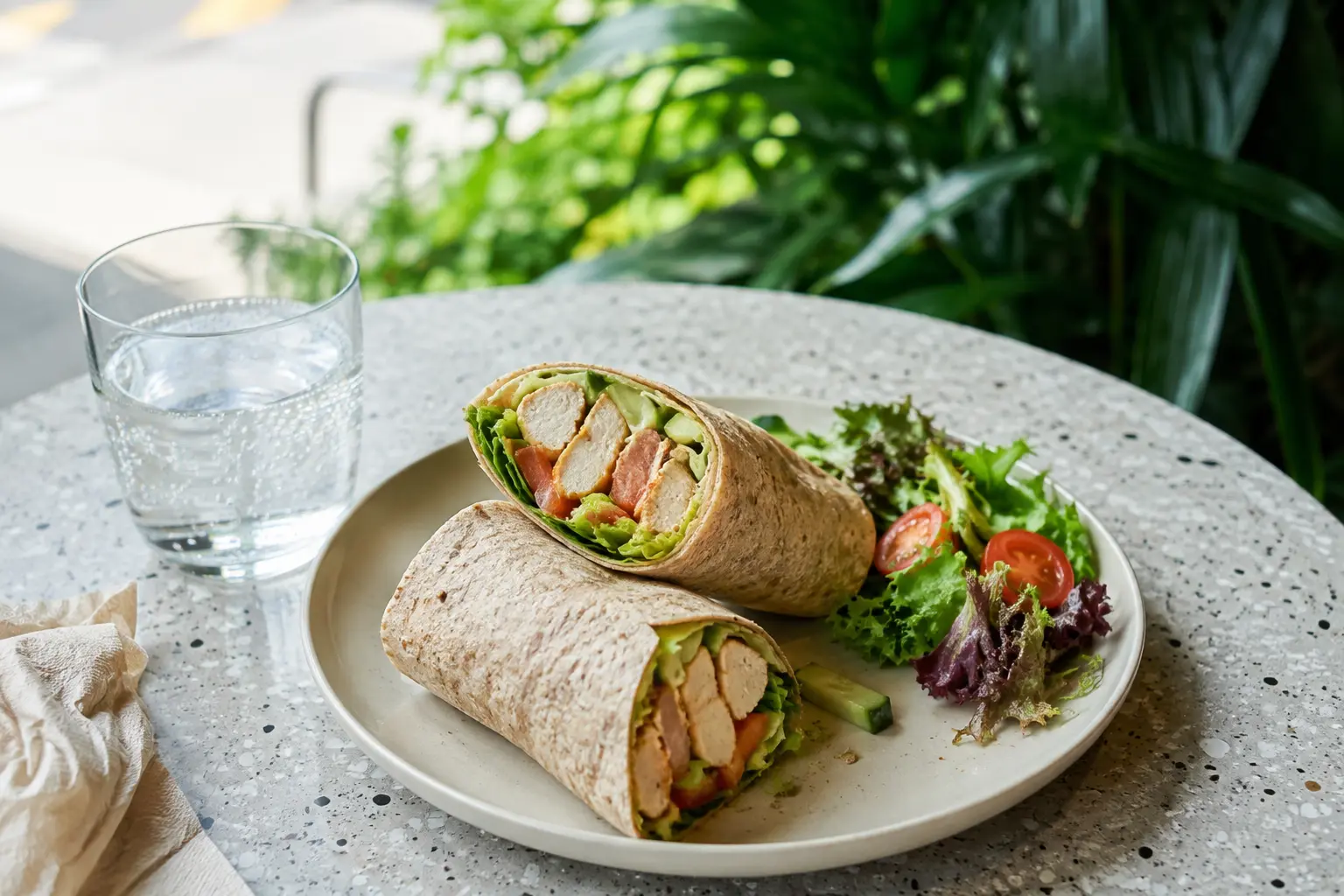
A light meal is generally smaller or less rich than a main meal, while still offering enough variety and substance to feel satisfying. It is not a formal nutrition category, and there is no single portion or ingredient list that defines it.
Light does not have to mean incomplete
A meal that is too small for your needs may leave you hungry soon afterwards. A useful light meal usually includes a protein source, vegetables or fruit, and an amount of grains or another staple that suits your appetite.
The word “light” can also describe how a meal feels: fresh flavours, moderate portions, less heavy sauce, or a simpler combination of foods. It does not need to mean low-calorie, fat-free or restrictive.
A simple formula for light meal ideas
Choose a base
Start with vegetables, soup, grains, noodles, bread or another familiar base. The base sets the style of the meal but does not need to be large.
Add protein
Eggs, tofu, beans, fish, chicken, yoghurt and other protein foods can make a smaller meal more satisfying. Choose what fits the dish and your preferences.
Build flavour and texture
Fresh herbs, citrus, spices, toasted seeds, crunchy vegetables and a moderate amount of dressing can make a simple meal enjoyable without relying on a heavy sauce.
Flexible light meal ideas
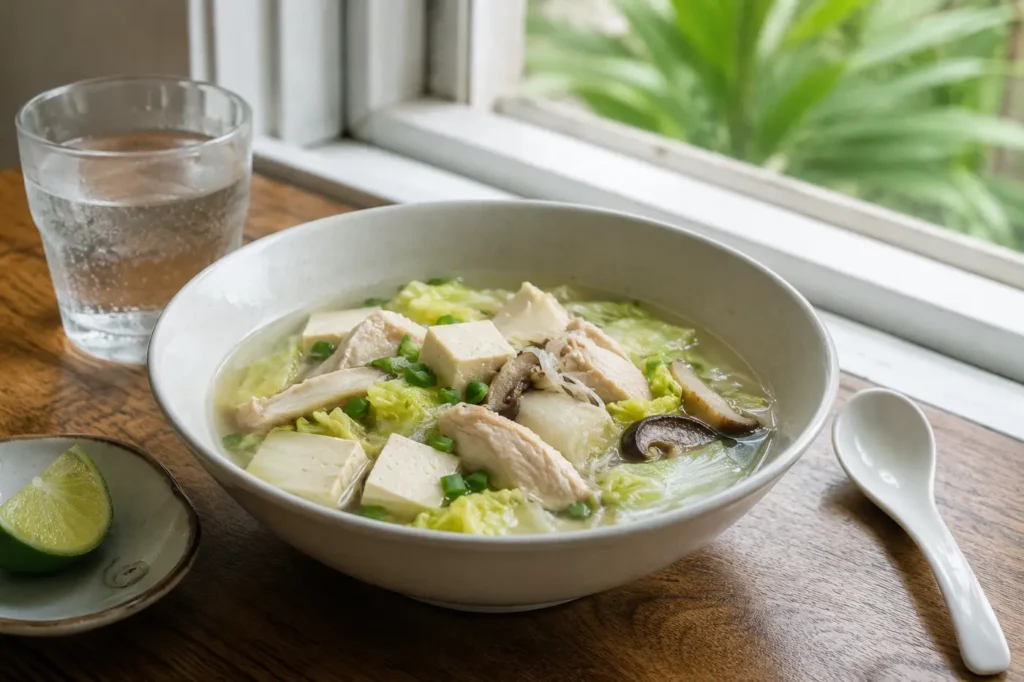
- A vegetable soup with tofu, egg or beans and a small serving of rice or bread.
- A grain bowl with mixed vegetables and a clear protein source.
- Wholemeal toast with eggs, tomatoes and whole fruit.
- A noodle soup with extra greens and a moderate noodle portion.
- A salad paired with fish, chicken, tofu or legumes and a suitable staple.
- Leftover vegetables and protein folded into a wrap or served over rice.
These are starting points rather than fixed recipes. Quantities can change according to hunger, activity, time of day and what else you have eaten.
When a light meal works well
A lighter meal may suit days when you prefer a smaller lunch, want a simple dinner, are eating between larger social meals, or need something convenient that still has structure. It can also be useful when hot weather makes rich food less appealing.
Try not to use a light meal as compensation for eating earlier in the day. A steady routine is generally more helpful than swinging between restriction and overeating.
How to tell whether it is enough
Pay attention to how you feel after eating. If you are hungry again very quickly, the meal may need more protein, vegetables, a staple food or simply a larger portion. If it feels overly heavy, consider a smaller portion, less rich sauce or a different balance next time.
Planning a light meal without extra work
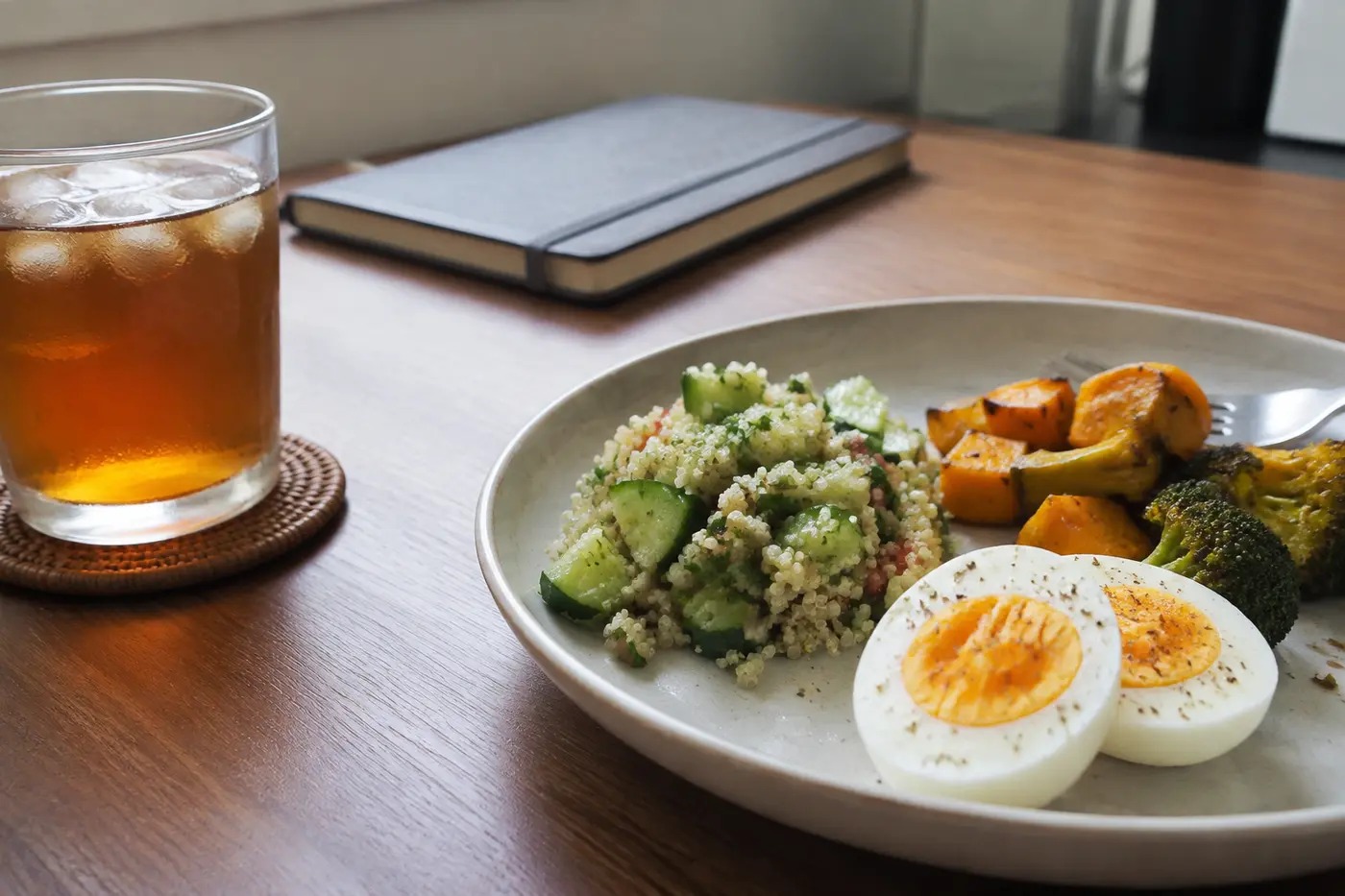
Use ingredients that can serve more than one meal. Cooked rice, washed vegetables, eggs, tofu, beans or leftover protein can be combined in different ways. A soup today can become a rice bowl tomorrow, while extra vegetables can be added to noodles, wraps or omelettes.
Convenience foods can also help. Frozen vegetables, canned beans, ready-cooked grains and simple prepared proteins may reduce the time needed to build a meal. Read labels when useful, but do not let the search for a perfect option stop you from eating a reasonably balanced meal.
Frequently asked questions
Is a salad always a light meal?
It can be, but the word salad does not tell you whether the meal will be satisfying. Look for vegetables, protein, a suitable staple and an amount of dressing that fits the meal.
Can a light meal include rice or noodles?
Yes. A light meal can include familiar staple foods. Portion, preparation and what accompanies the staple all affect how the meal feels.
For the broader foundations, read What Is a Balanced Meal? or explore more Light Meal Ideas.